Beit Nassan
Bab Sharqi, Babtouma • Home
Jump to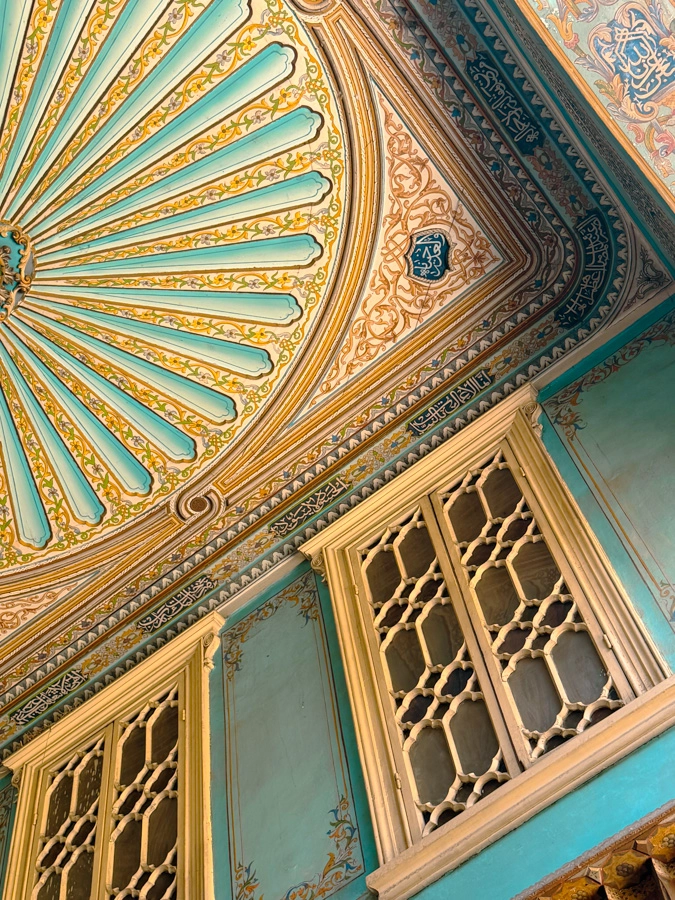
1720
Construction Begins
George Nassan built the villa later known as Qasr Al Nassan near the ancient Bab Sharqi gate in Eastern Damascus. Today it stands as one of the oldest surviving Damascene houses, after Al-Azem Palace.
1800
Hidden Grandeur
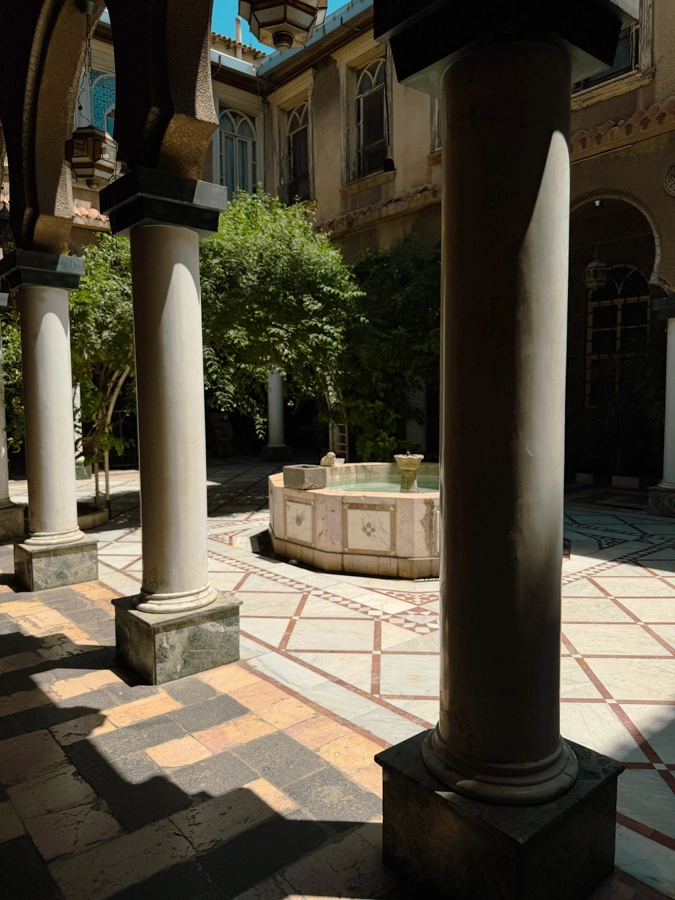
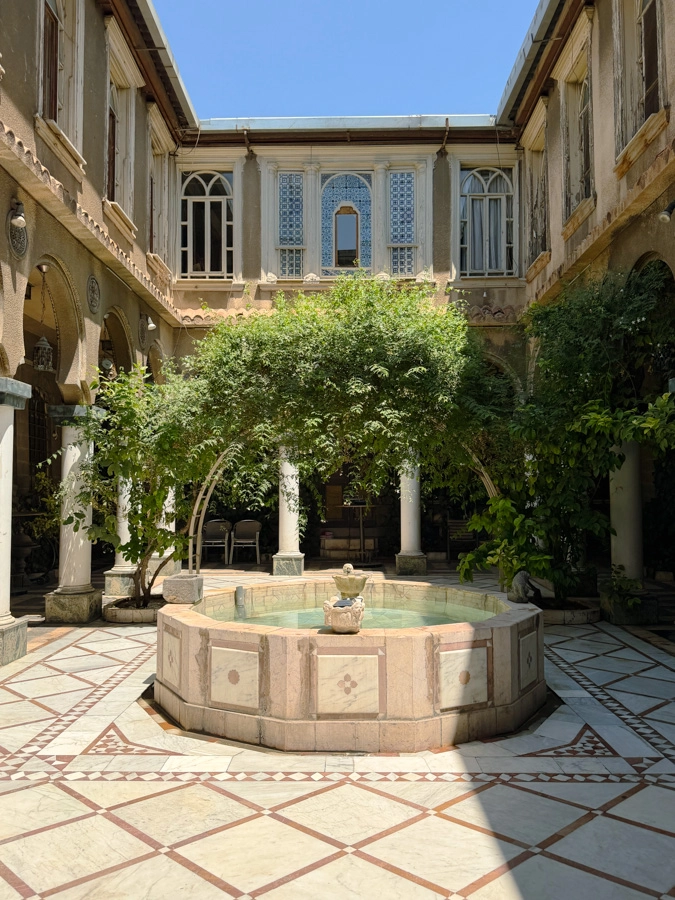
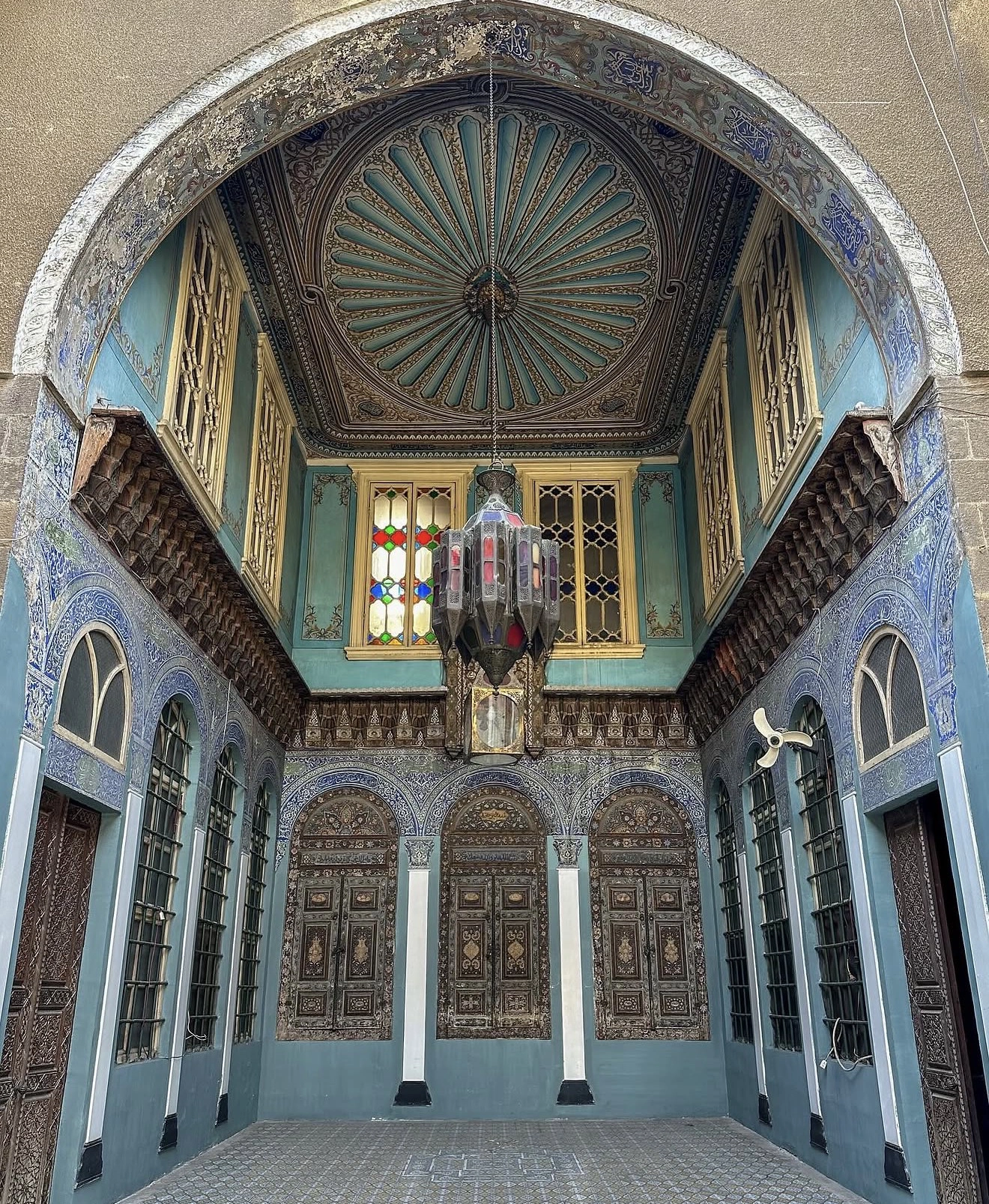
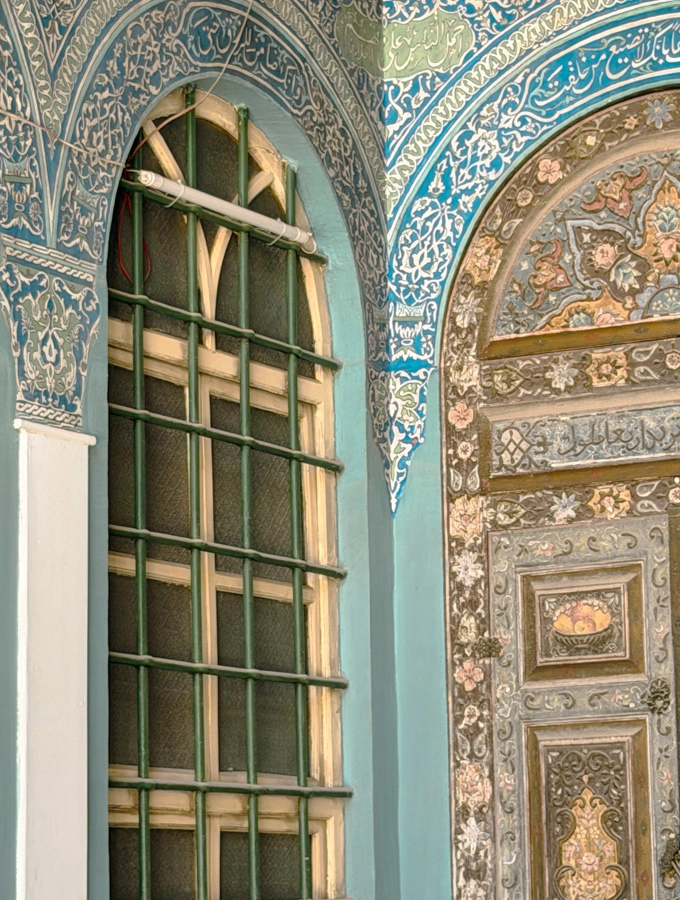
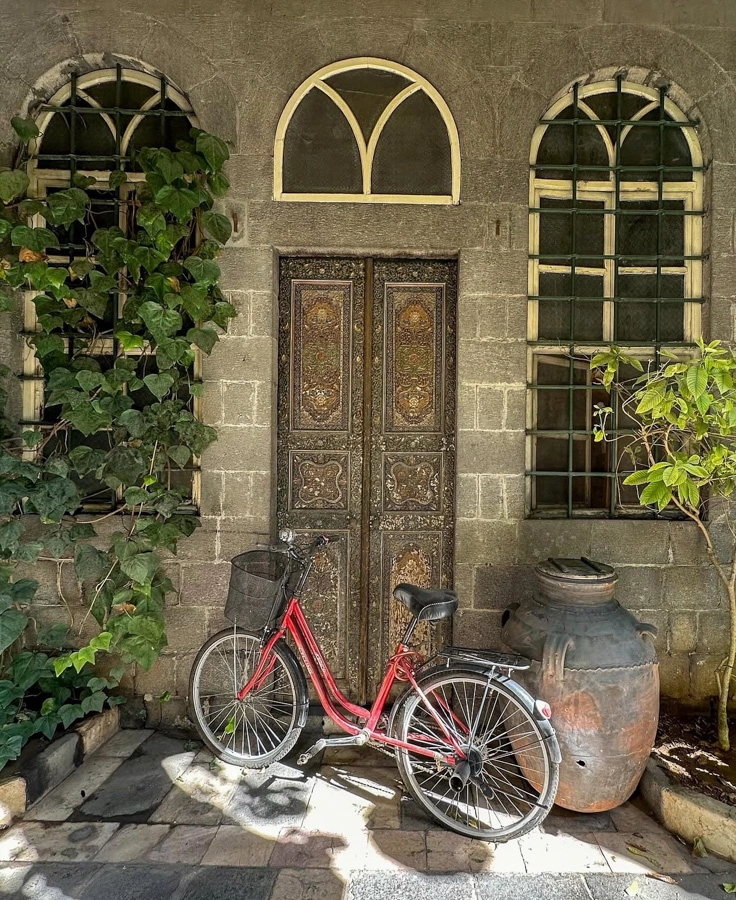
Qasr Al Nassan's exterior was a bit plain, with a simple door that gives no hint of what is within. Within the home is a beautiful interior, the beginning of what is now known as one of Damascus's most addressed homes.
18th Century
A Family of Craftsmen
Alongside the villa, the Nassan family built a workshop next door, offering traditional Syrian handcrafts: mosaic work, wood carving, mother-of-pearl inlay, and textiles.
19th Century
A Place of Gathering
Over generations, Qasr Al Nassan became a gathering place for the world. The family's renown as master craftsmen, with workshops and stores that carried their reputation far beyond Damascus, drew prominent visitors from around the globe to their door.
20th Century
The Golden Book
The palace kept a guestbook, known as the Golden Book, which recorded the names of prominent visitors to their home. Among the pages of the book, you'll find signatures from Lord Mountbatten, Christina Onassis, and Henry Kissinger. The family's reputation reached far beyond the borders of Syria.
TODAY
Still a Home
Where many of the Damascus houses became museums, Qasr Al Nassan still remains in the hands of the family. The Nassan family still lives on the upper floor of the two-story, 30-room villa, while the ground floor continues to welcome visitors.