Beit Al Aqqad
Babtouma, Damascus • Cultural Center
Jump to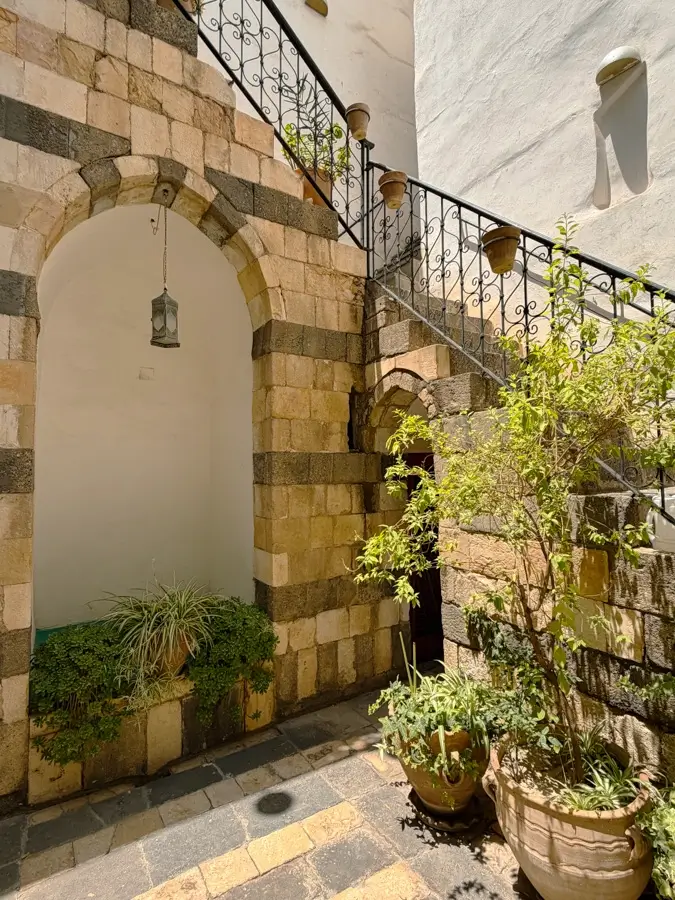
1400s
Ancient Foundations
It is said that Beit al-Aqqad rests upon the remains of a Roman theatre built by Herod the Great. The oldest parts of the house date back to 1470, although centuries of rebuilding have obviously reshaped it.
1764
House Rebuilt
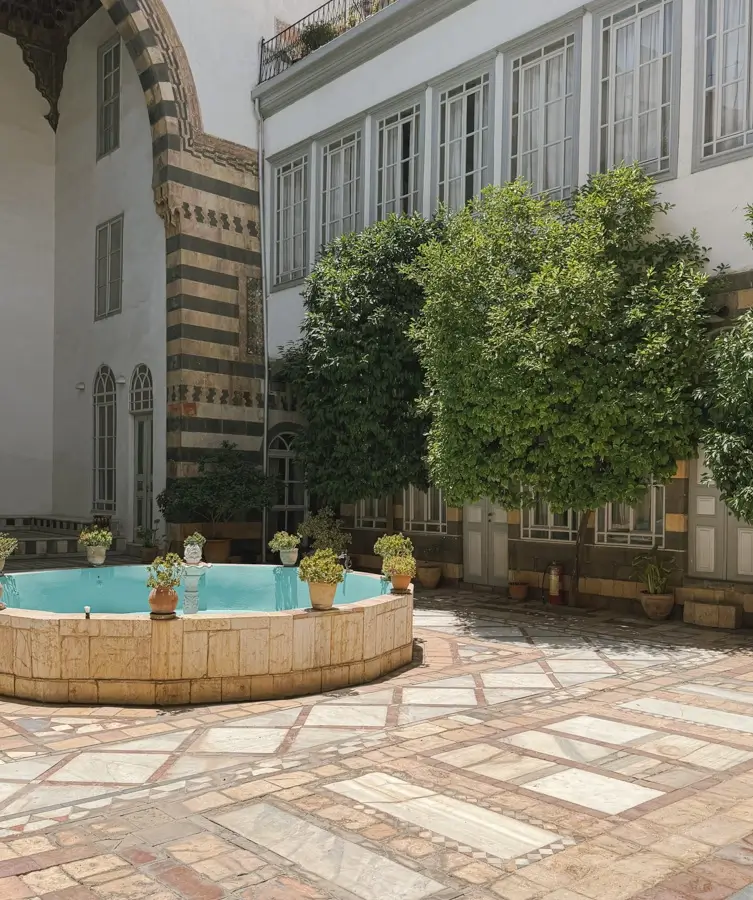
Nearly three centuries later, in 1764, the house was rebuilt and redecorated, transforming it into a modern home for the merchant Ismail Al-Hariri.
1840
Blue Room
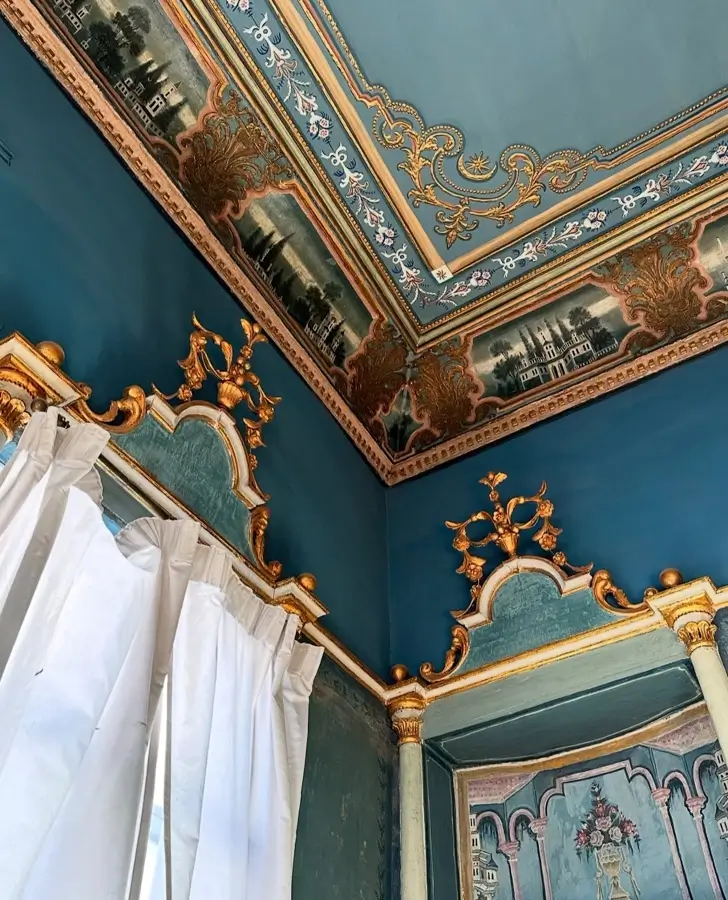
By 1840, the house was passed down to its new owners, the Al-Aqqad family. That year, they added a "blue room", a space decorated with gilded carvings and painted murals.
Late 19th Century
New Wings
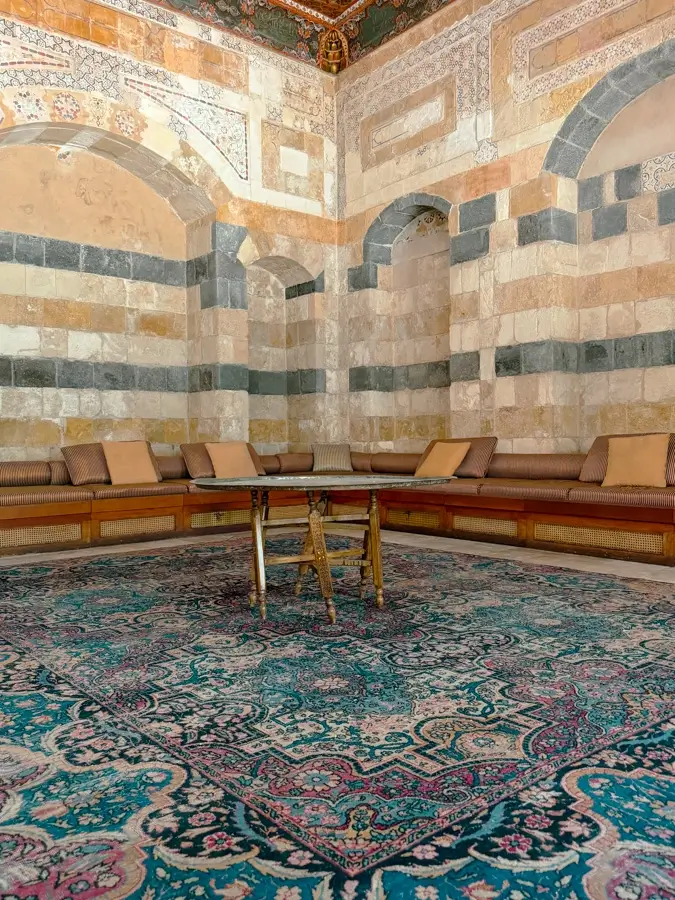
Towards the late 19th century, two new wings were added flanking the main courtyard. These wings were added to cater to the growing Al-Aqqad family across the generations.
Mid 20th Century
Decline
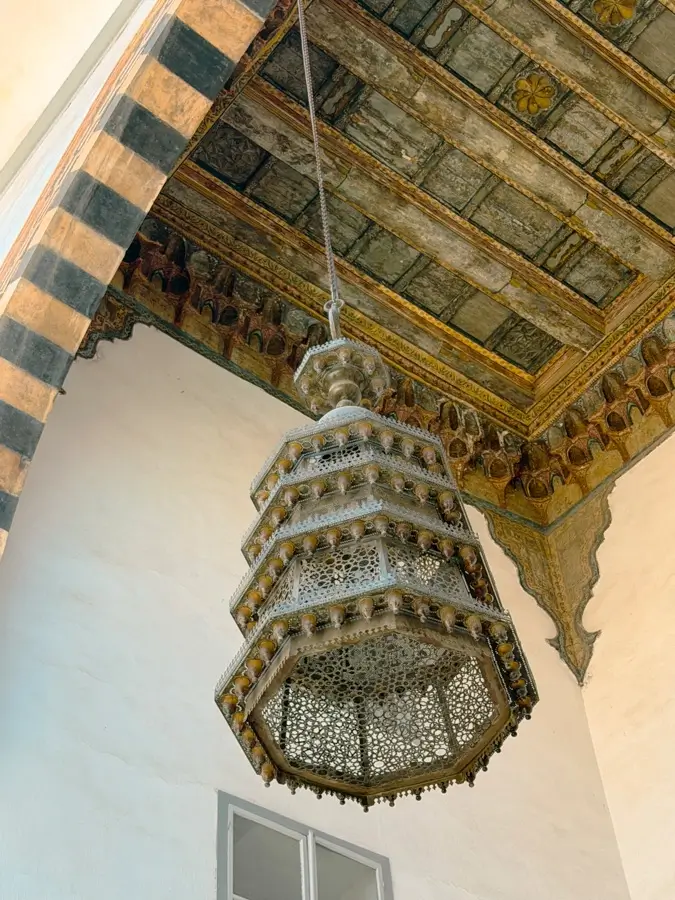
The house fell into decline and was left vacant for decades. Time and neglect slowly took a toll on the interiors, leaving them to deteriorate.
1997
Restoration Begins
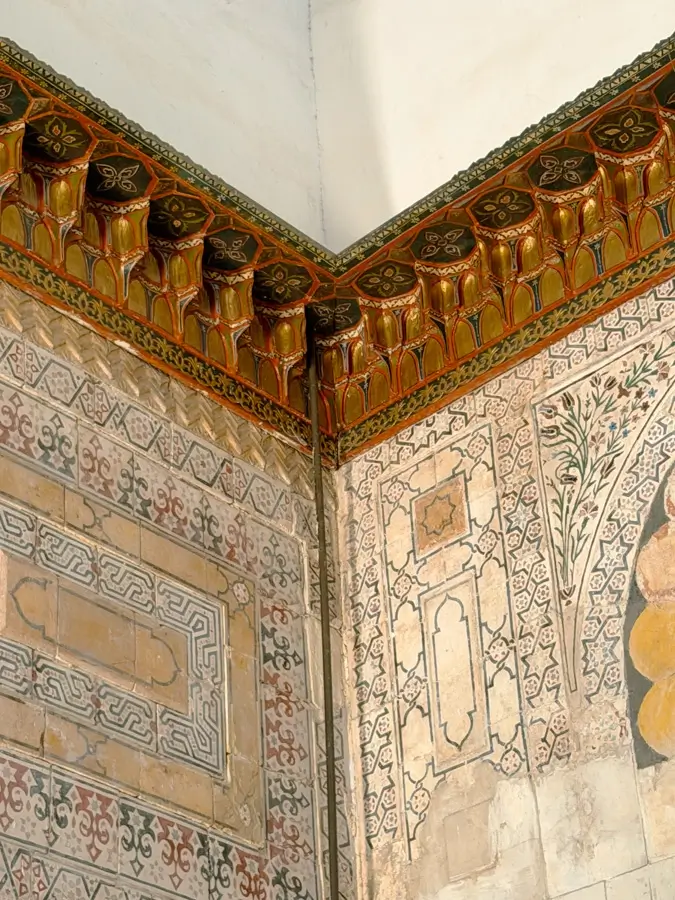
In 1997, the Syrian government made the house available to the Danish Institute of Damascus. The restoration of the house was financed by the C.L. David Foundation and carried out by Syrian and Danish architects. The house took nearly three year to restore.
2005
A House in Time
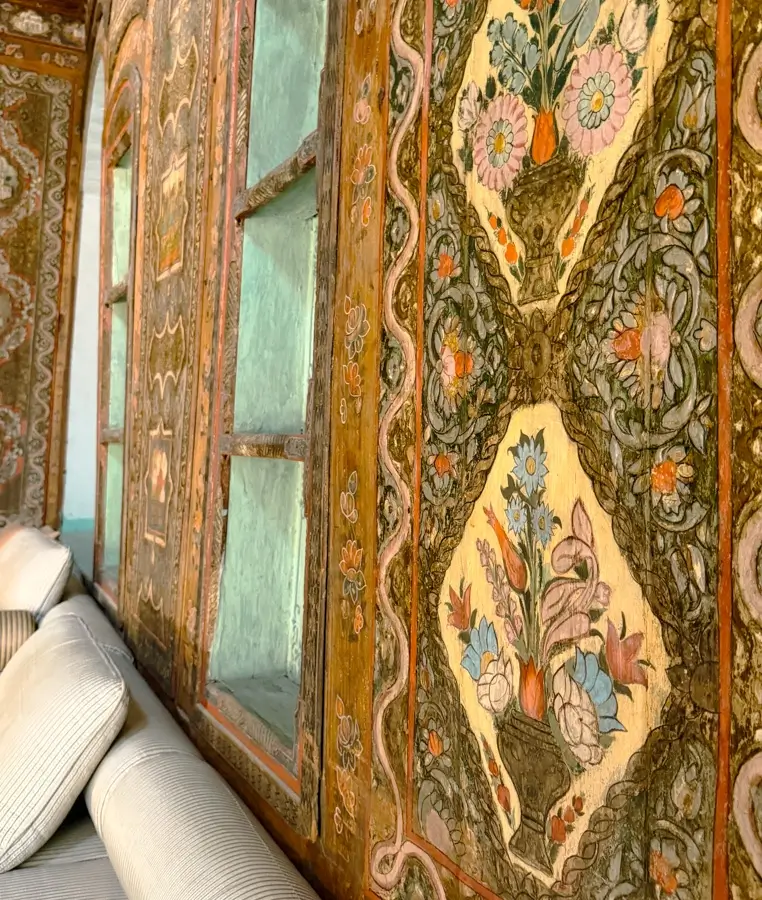
Aarhus University Press published a detailed book of the house's history and restoration, edited by Peter Mortensen. It's available in print to purchase - a story of a home that was nearly lost to time.
TODAY
Cultural Bridge
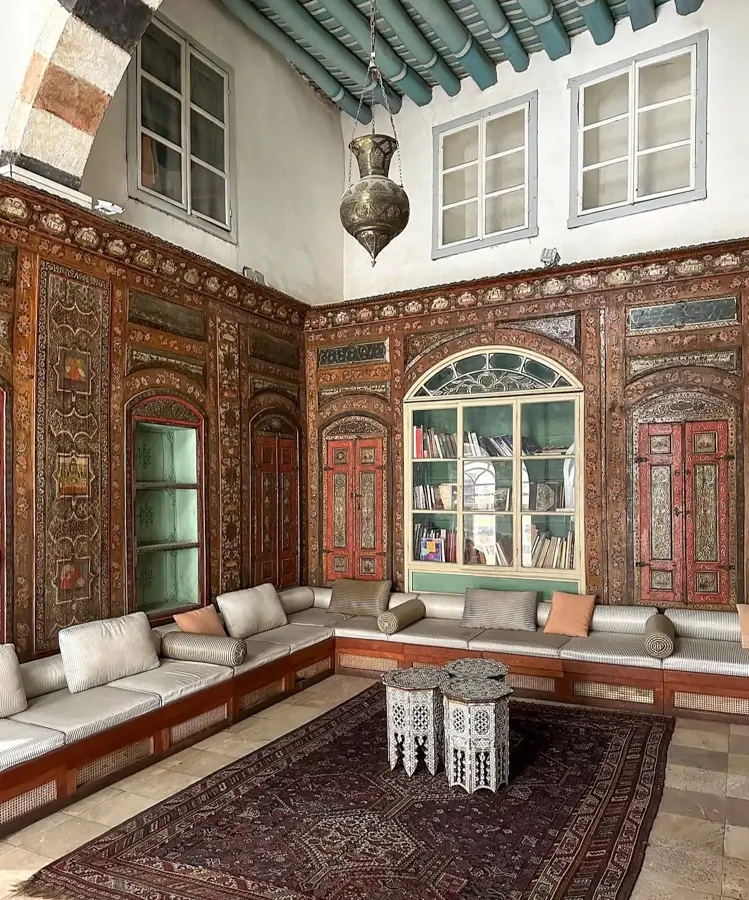
Beit Al-Aqqad is home to the Danish Institute of Damascus, dedicated to the study of Arab and Islamic Culture. The house remains open to visitors, welcoming guests to walk through the courtyard and reception halls that have witnessed centuries of Damascene life.