Al Azem Palace
Babtouma, Damascus • Museum & Cultural Site
Jump to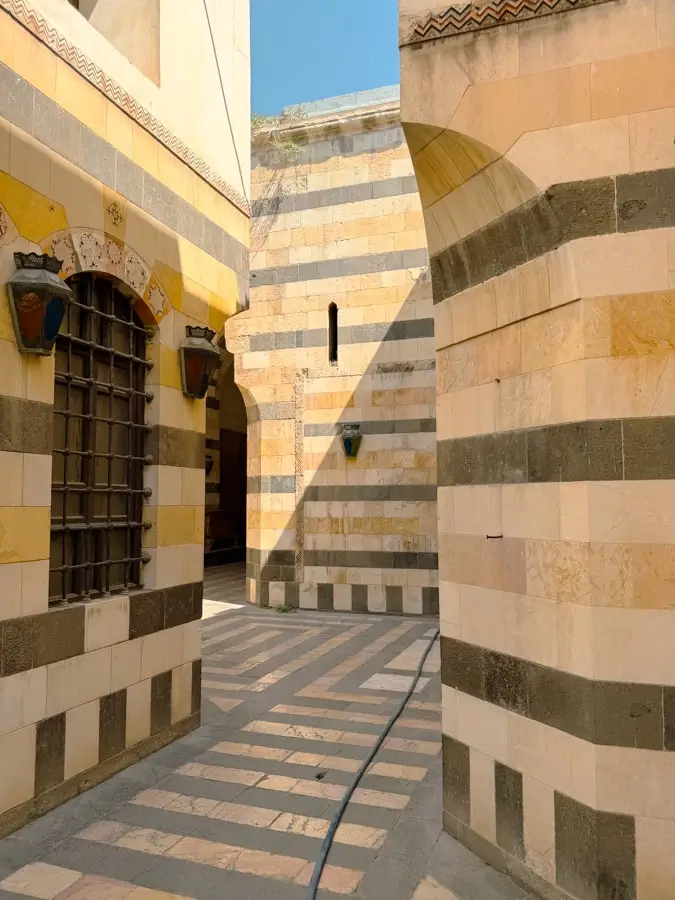
1749
Construction Begins
As'ad Pasha Al-Azem, whose family had governed Damascus for two generations, built the palace as his private residence near the historic Souq al-Buzuriyah. Construction took roughly three years and employed 800 workers, funded entirely by the Al-Azem family.
1758
Generational Home
Following As'ad Pasha Al-Azem's fall from power and death, the home was passed down to his family. They continued to live in it for generations, until it was purchased by the French.
1920
A Change of Hands
In the 1920s, Syria came under French control following the collapse of Ottoman rule. The Al-Azem family sold the palace to French authorities. This marked the end of over 150 years of direct family ownership.
1930s
Restoration Begins
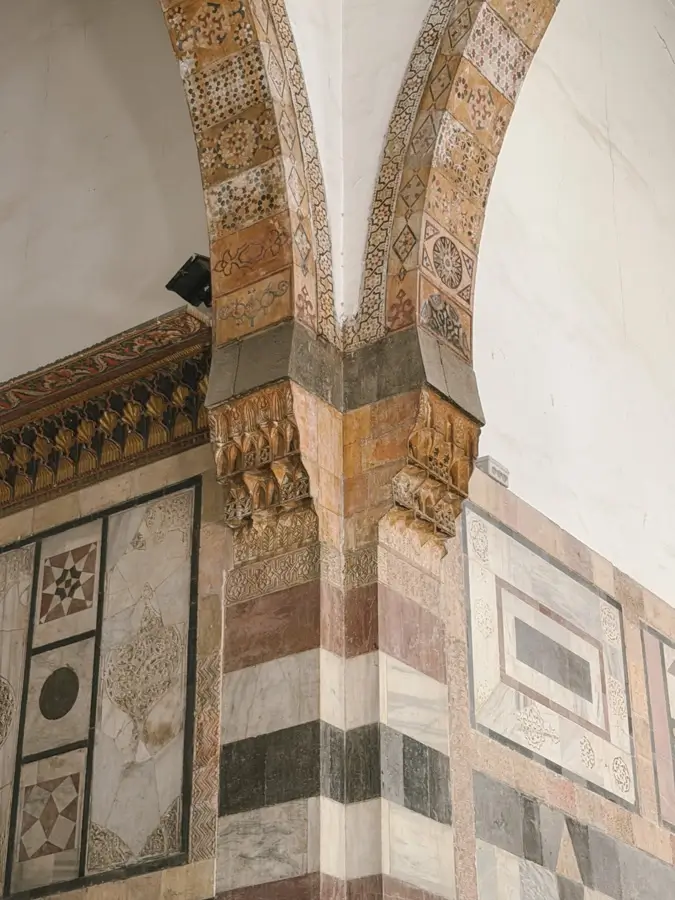
Reconstruction began soon after and was led by two French architects: Lucien Cavaro and Michel Ecochard. They went for a simpler, less ornate build. The rebuilt palace couldn't capture the original beauty of Al-Azem's vision. Once complete, it became home to the French Institute.
1946
Returned to the Family
In 1946, Syria gained independence from the French government, and the French Institute vacated the building. The palace was then returned to the Al-Azem family, ending over two decades of foreign control.
1951
Becomes a Museum
The Syrian government purchased the palace from the Al-Azem family and converted it into the Museum of Arts and Popular Traditions. At the time, the crowds and visitors exceeded the initial expectations.
1983
Aga Khan Award
The palace received the Aga Khan Award for Architecture. This prestigious award, established in 1977, recognizes architecture, restoration, and preservation work in Muslim societies worldwide. This placed the palace among one of the most significant architectural achievements in Muslim societies.
TODAY
Living Heritage
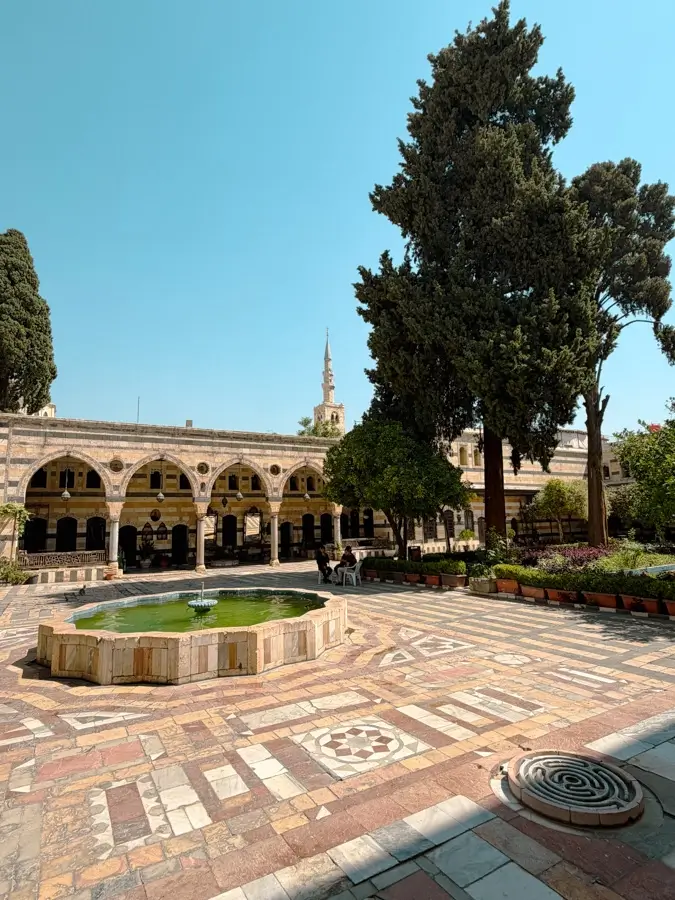
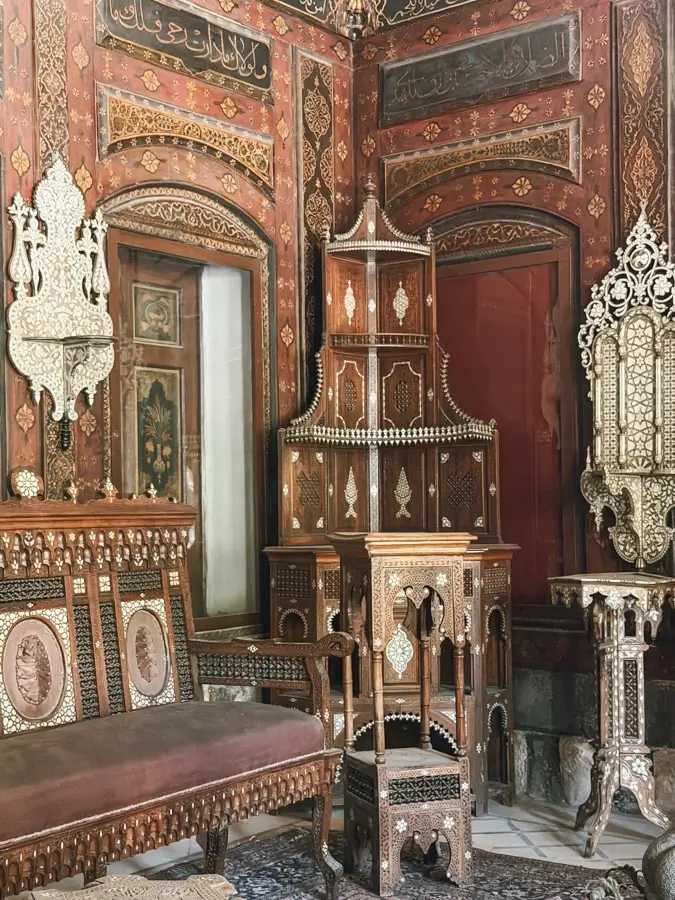
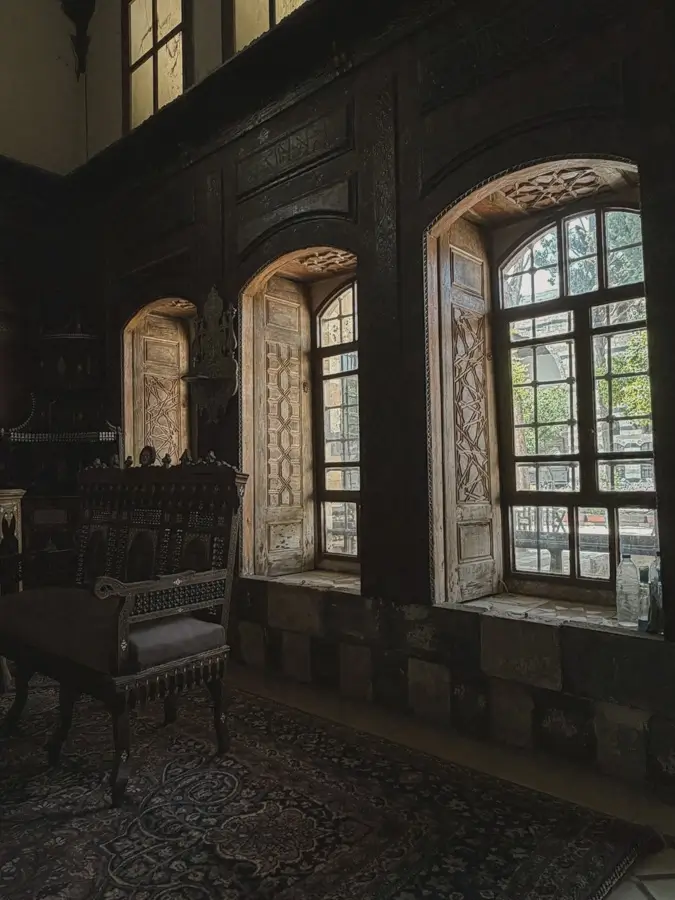
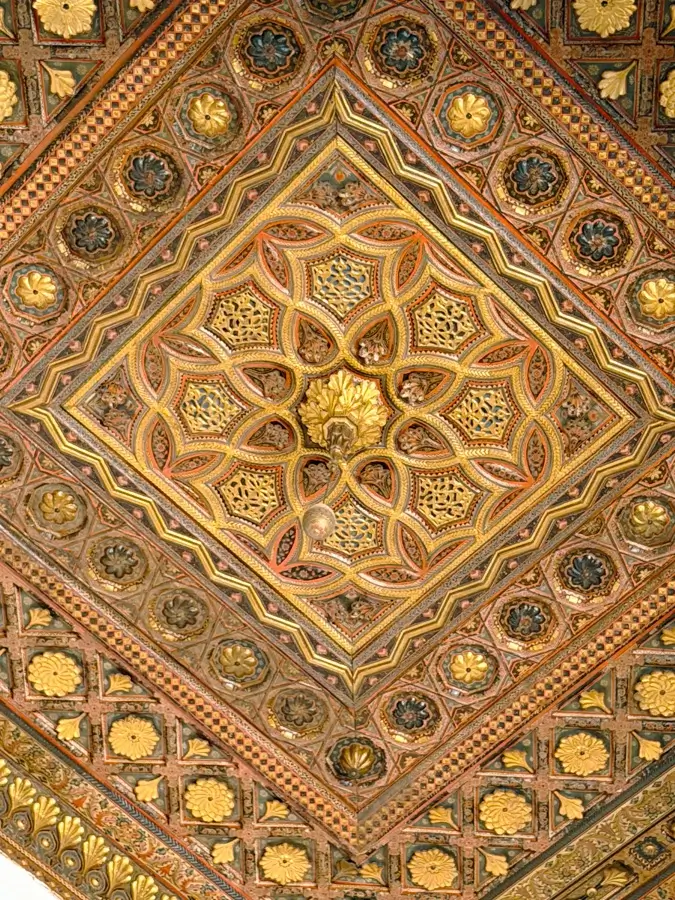
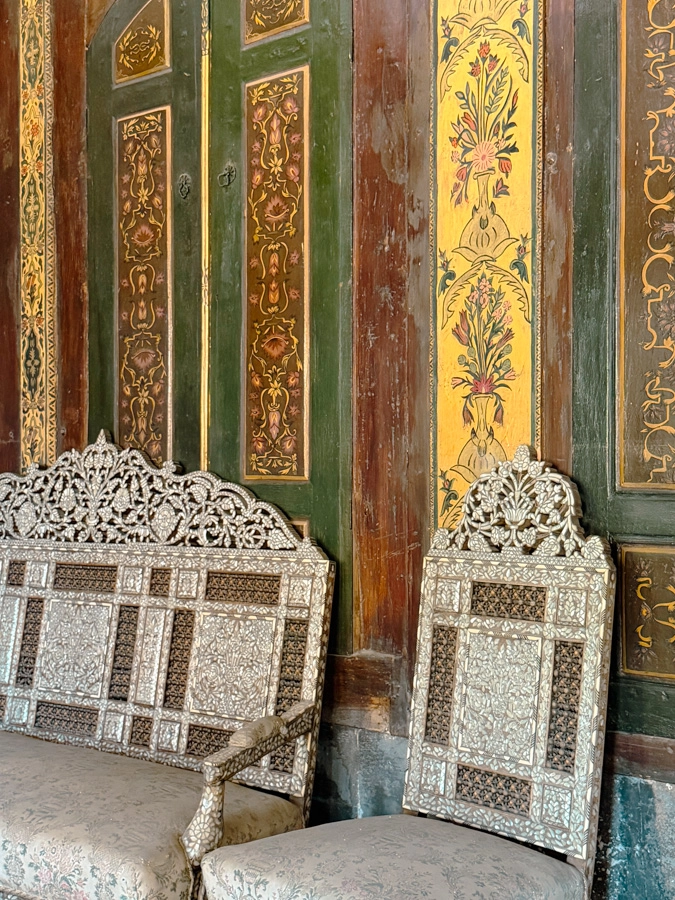
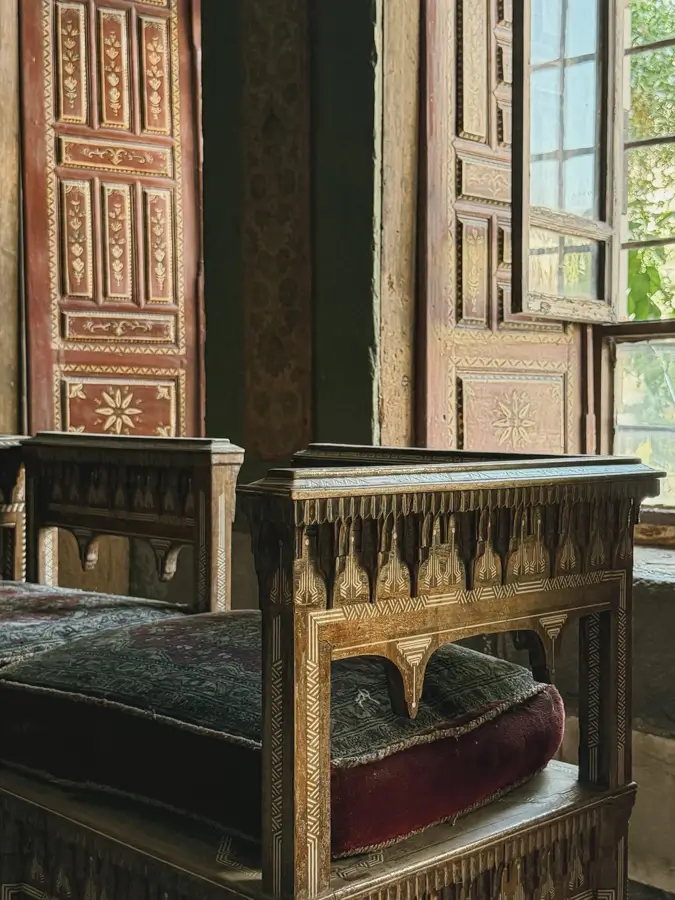
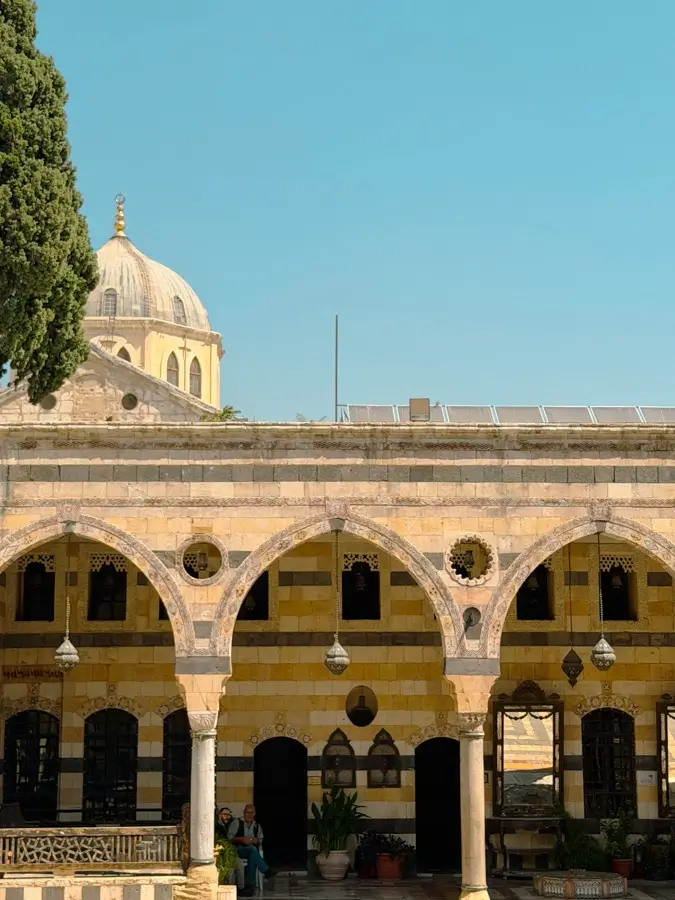
Al-Azem Palace stands as one of Damascus's most renowned examples of Ottoman architecture. Its 6,400-square-meter layout unfolds across three traditional wings: the harem, the selamlek, and the khademlek. The palace's façades showcase ablaq stonework, wooden ceilings, and furniture decorated with mother-of-pearl inlay.
Today, the palace remains open to visitors, welcoming guests into the same halls once home to the Al-Azem family.