Beit Farhi
Jewish Quarter of Old Damascus • Cultural & Heritage Venue
Jump to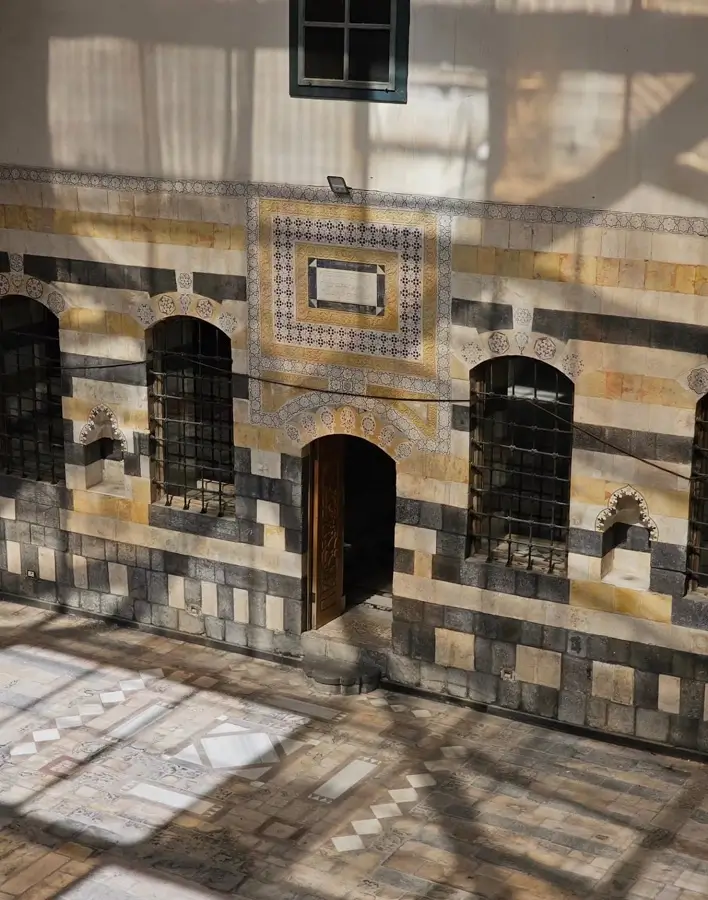
1780
The Beginning
The house was built for the Farhi family, a Sephardic Jewish family that arrived in Damascus in 1670. Over time, the home developed into one of the largest and most elaborate courtyard houses in the city.
Late 18th Century
The Farhi Family
The palace was for Raphael “El Muallim” Farhi, a prominent Sephardic Jewish member of the Farhi family, who rose in Damascus as a banker and financial administrator for the Ottoman government. The residence reflected the family's extraordinary wealth and position in Damascene society.
Early 19th Century
A Palace Within
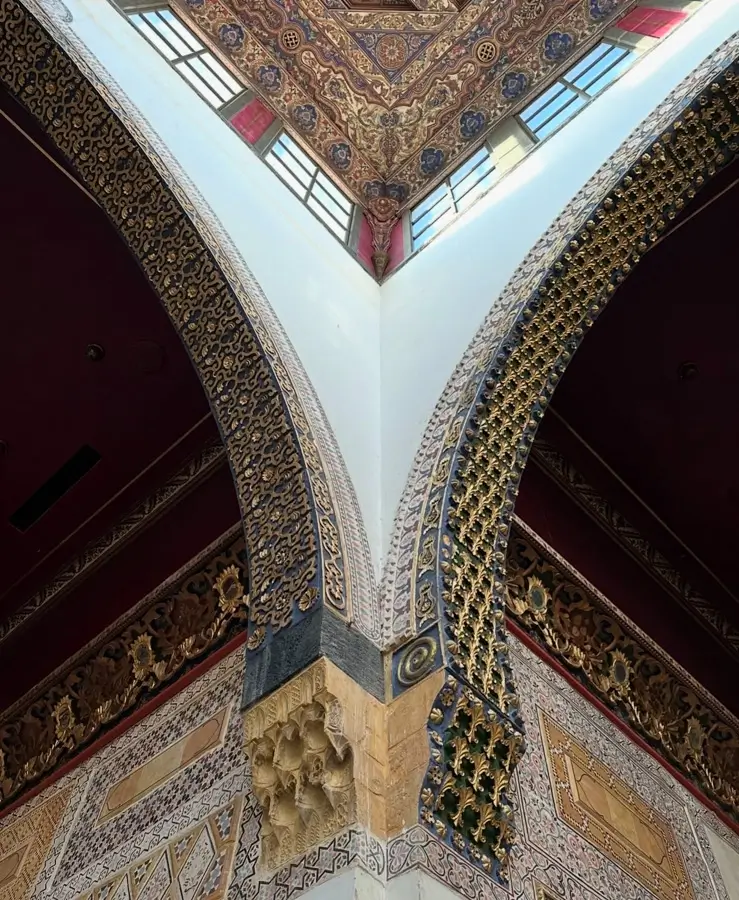
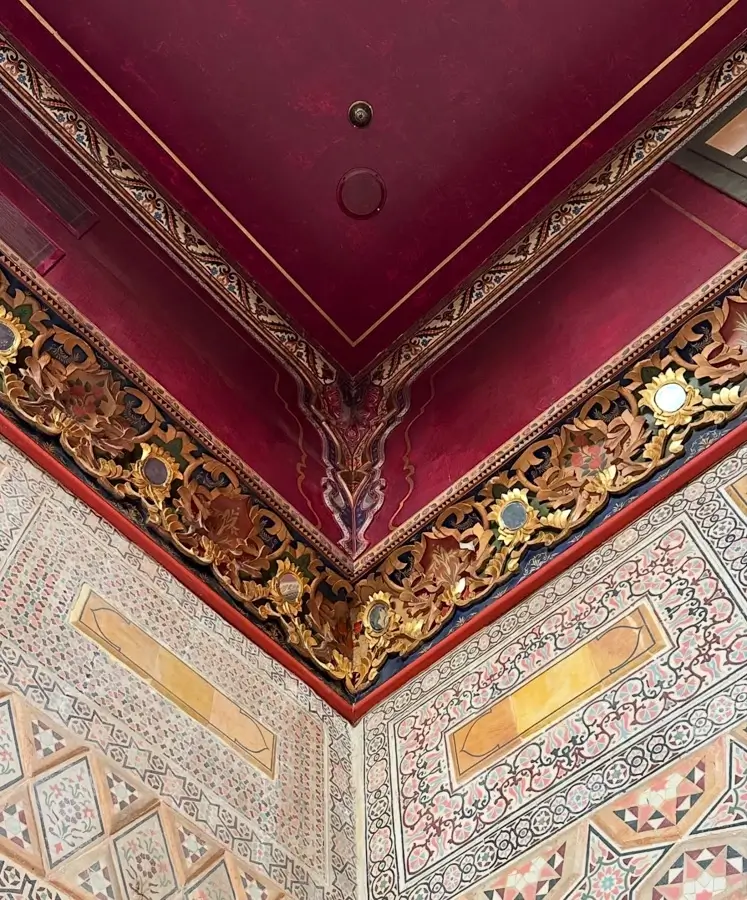
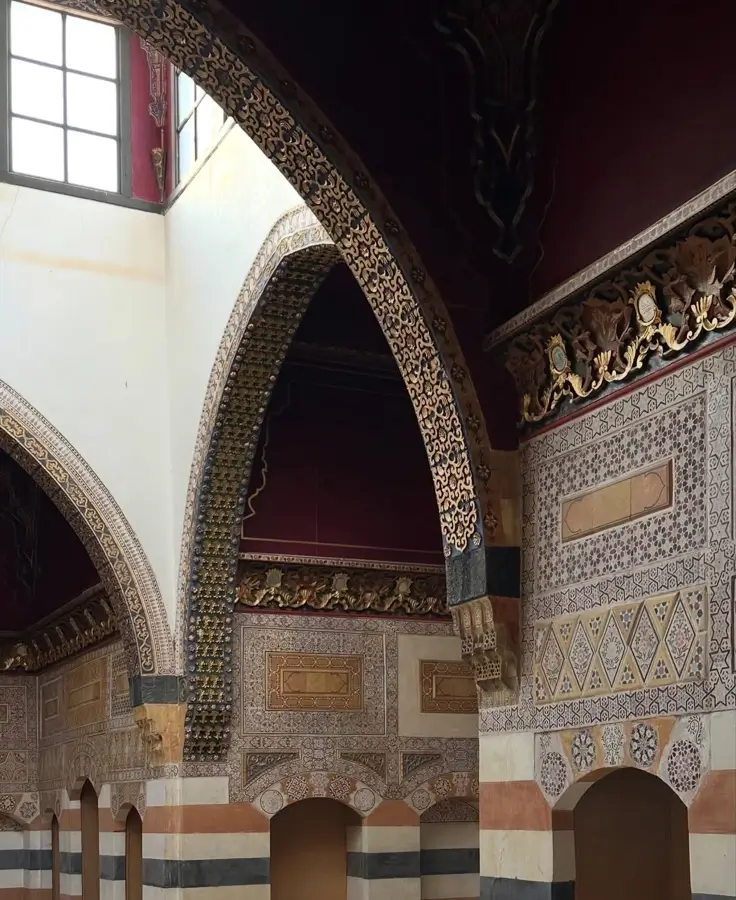
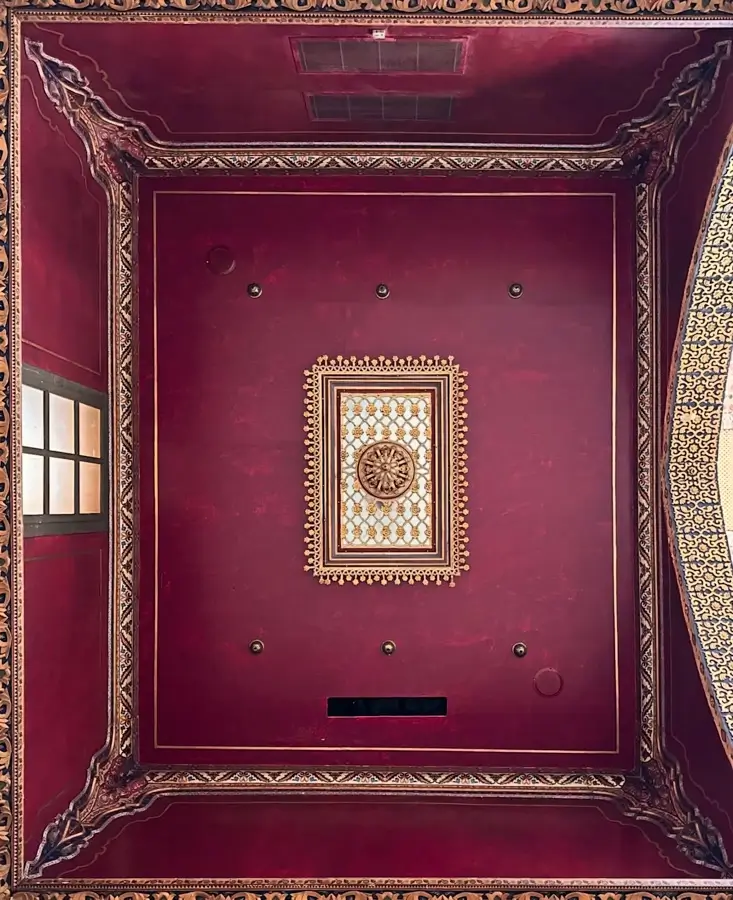
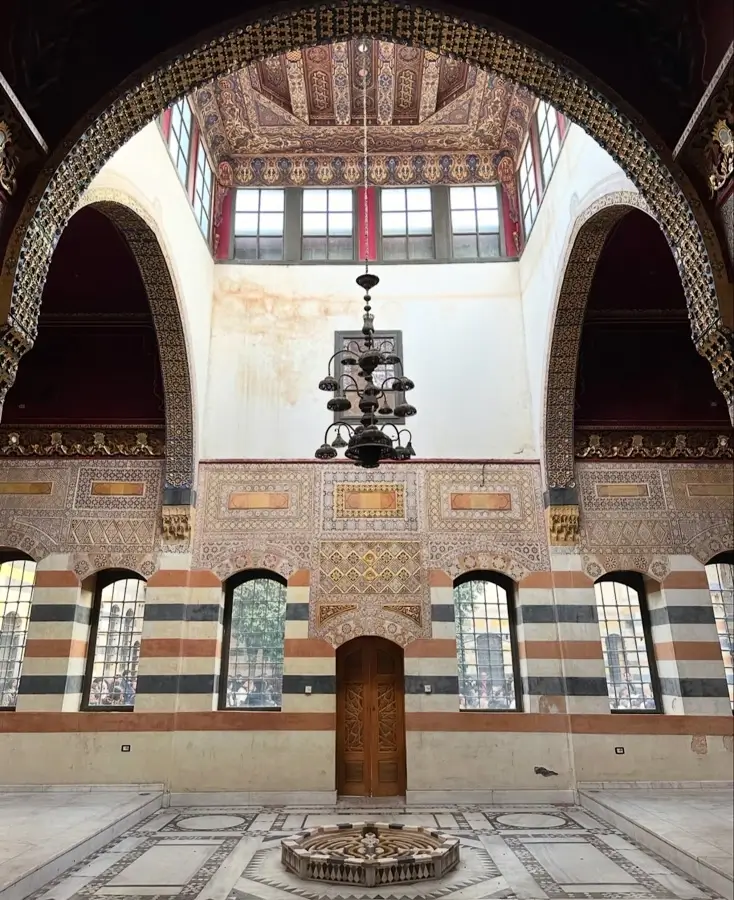
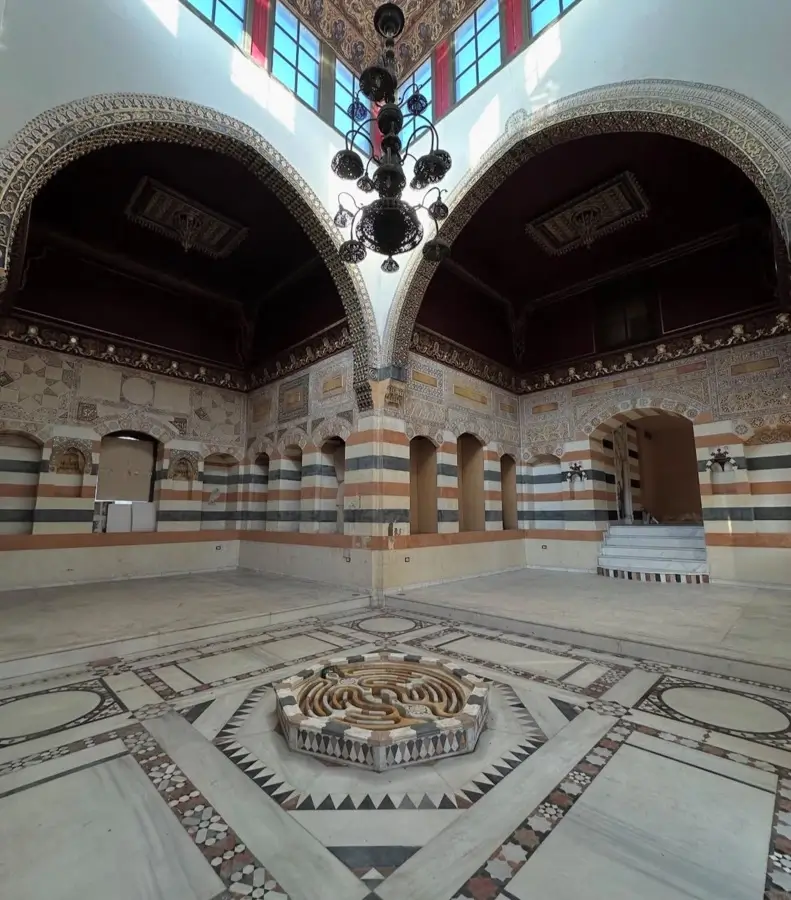
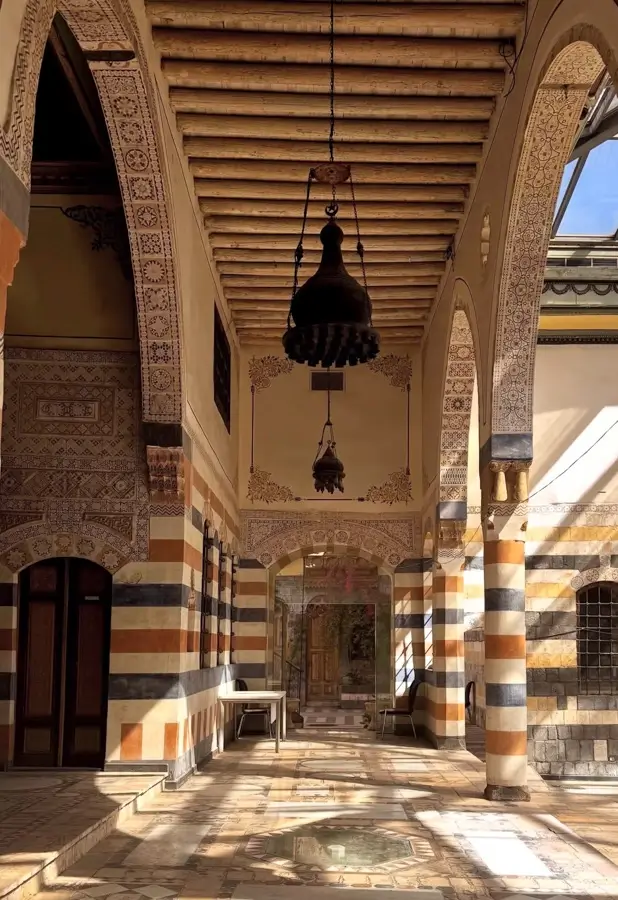
The house became one of the most luxurious homes in Damascus's Jewish quarter. It had multiple courtyards, painted wood panels with Hebrew and Aramaic inscriptions, a pink library, and ablaq stonework.
1870s
The Lemon Gatherers
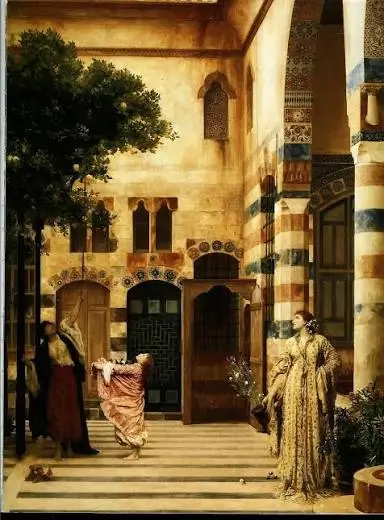
Once home to a household of around 60–70 people, Beit Farhi was seen as a “little village.” Later, Frederic Leighton captured the atmosphere of its courtyard life in The Lemon Gatherers, preserving a visual impression of the house in the 19th century.
20th Century
A Changing Home
As the Jewish community in Damascus changed, Beit Farhi fell out of the Farhi family's ownership and into ruin. As the years went on, parts of the home were occupied by different families, while still in need of major repairs.
2000's
A Second Chance
In the early 2000s, architect Hakam Roukbti purchased the home and began restoring it. The project's aim was to conserve and restore the existing decorations and paintings while transforming the home into a hotel.
2012
Interrupted By War
Once the Syrian Civil War broke out, the restoration of the home and the proposed hotel came to a halt. Since then, Beit Farhi has remained inaccessible to visitors.
2018
Preservation
Architectural historian Elizabeth Macaulay-Lewis published Bayt Farhi and the Sephardic Palaces of Ottoman Damascus. This documented and preserved the homes' architecture and decoration.
TODAY
A Living Reminder
More than two centuries after Beit Farhi was constructed, it remains part of the cultural life of Damascus. Once a home to a family, today it hosts cultural gatherings, performances, and events.
Today, Beit Farhi stands as a living reminder of the communities that shaped Damascus, preserving stories of craftsmanship, faith, and survival.