Maktab Anbar
Old Damascus, near the Umayyad Mosque • Cultural Center & Heritage
Jump to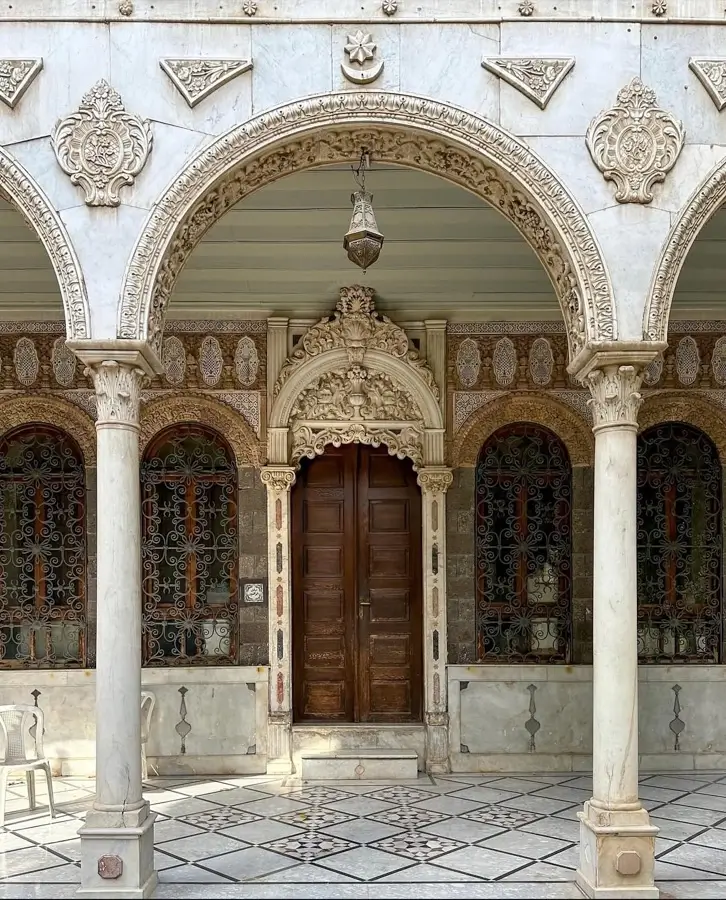
Mid 19th Century
The Foundations
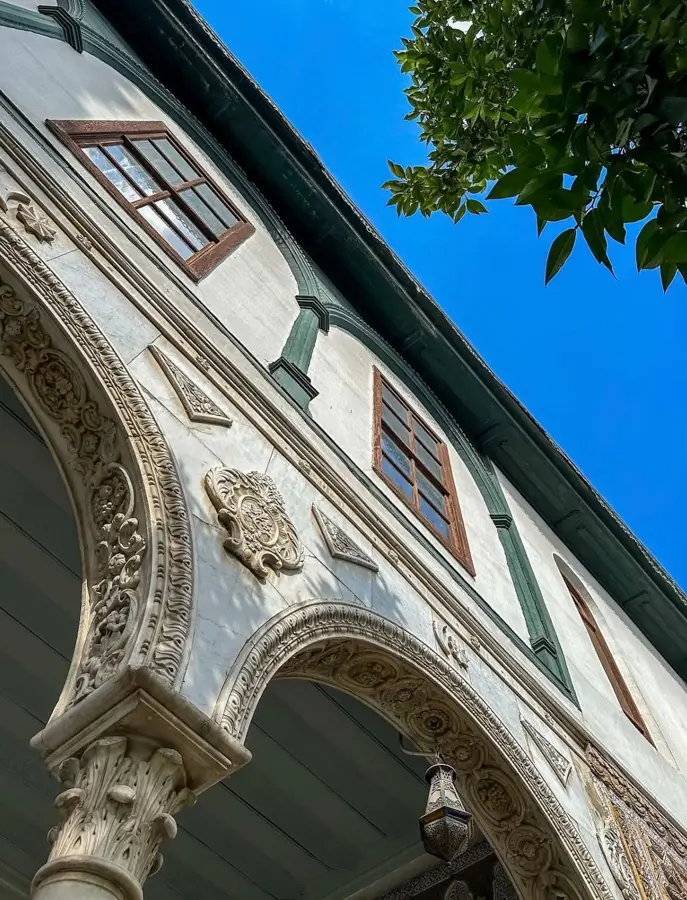
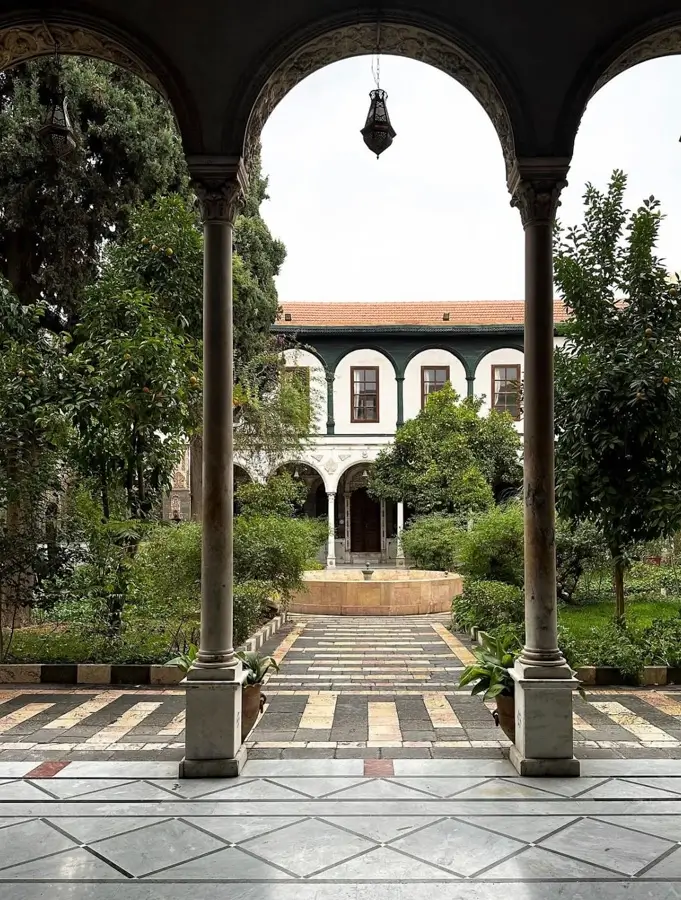
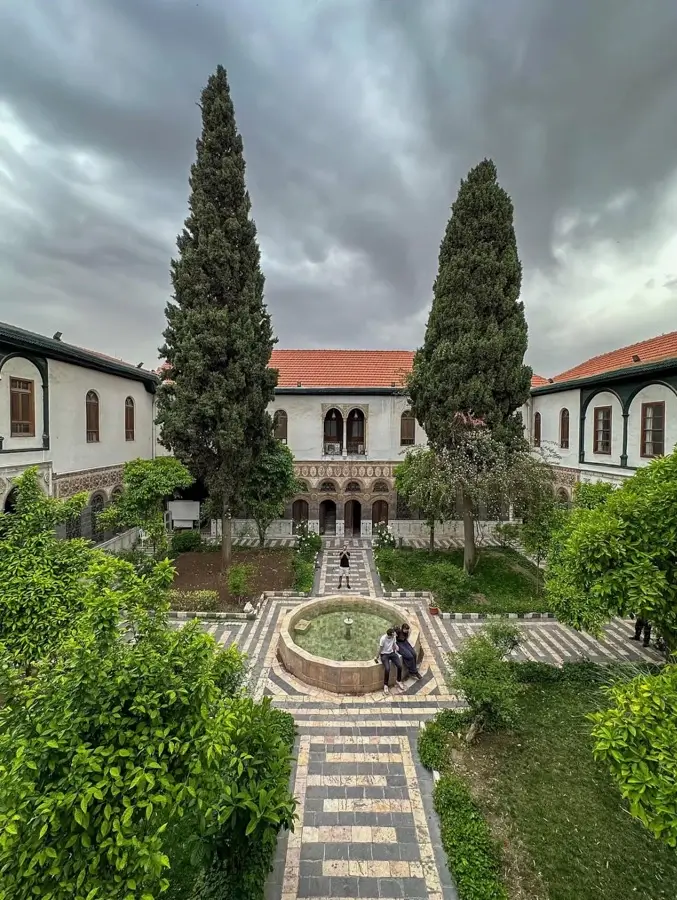
Construction for Maktab Anbar began as a private residence for Yusuf Anbar, a wealthy Damascene Jewish merchant. It was designed around a sequence of courtyards: a formal reception for men, an intimate courtyard for the women's quarters and a servants courtyard at the back.
1887
A Home Abandoned
The project came to a halt as the costs of building the residence spiraled far beyond his budget. Yusuf abandoned the project and left the home unfinished.
1890
Into Ottoman Hands
With property taxes left unpaid over the years, the Ottoman government took over the abandoned home and placed it under state control.
Late 19th Century
From Ruin to Classroom
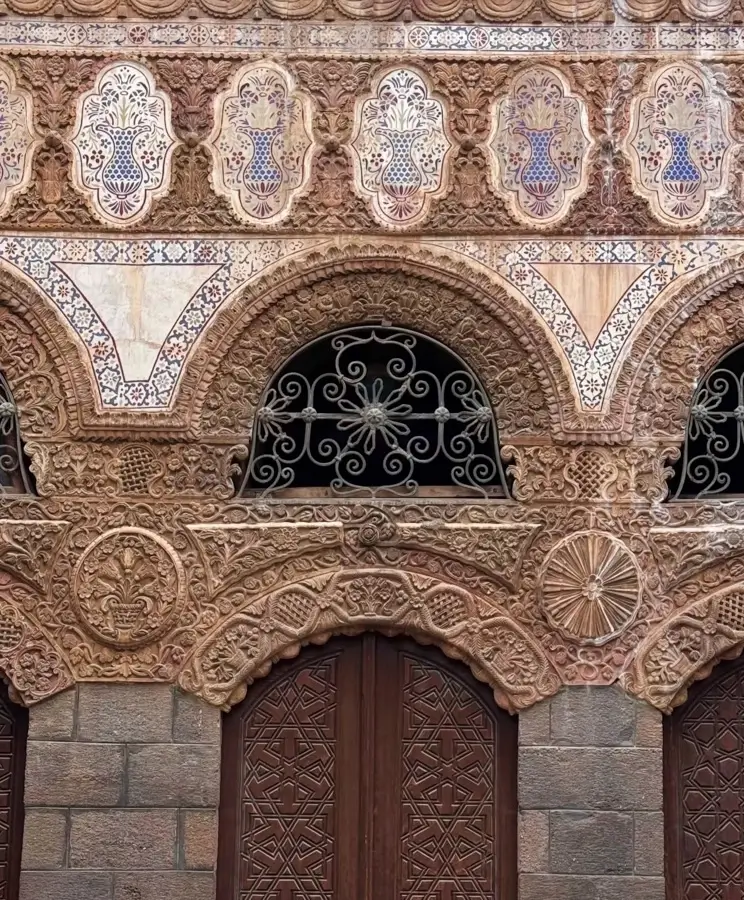
The Ottomans completed the building and added two additional wings. Upon completion, they converted it into a boys' school, the Damascus Civil Preparatory School. It became a prestigious, tuition-based school for the sons of Damascus's landowning families.
Early 20th Century
French Mandate Era
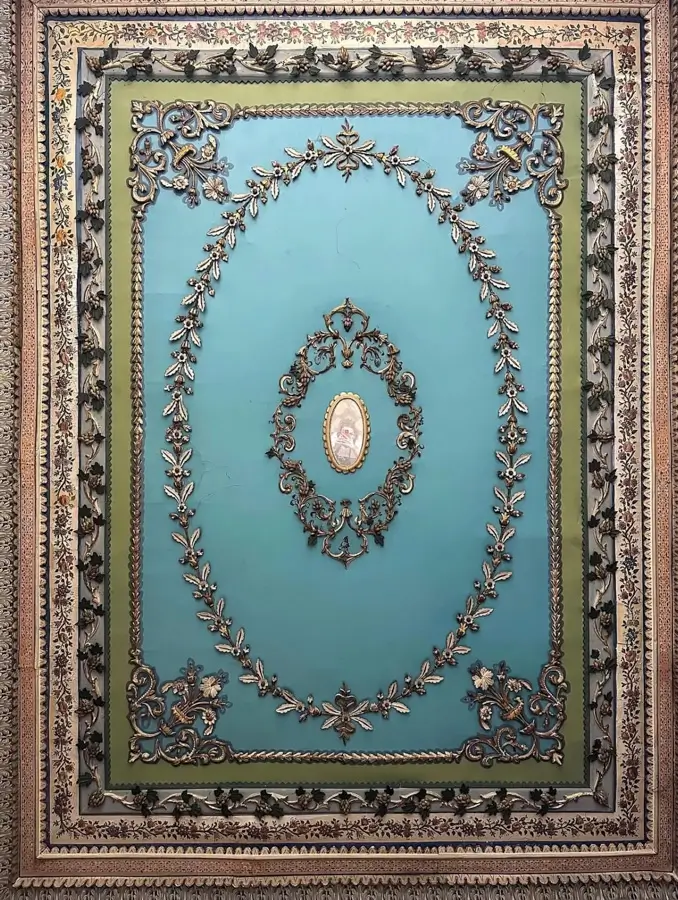
The school became the center of activity; many students and graduates continued on to become prominent Syrian nationalists, literary and political figures.
Post 1946
Independence
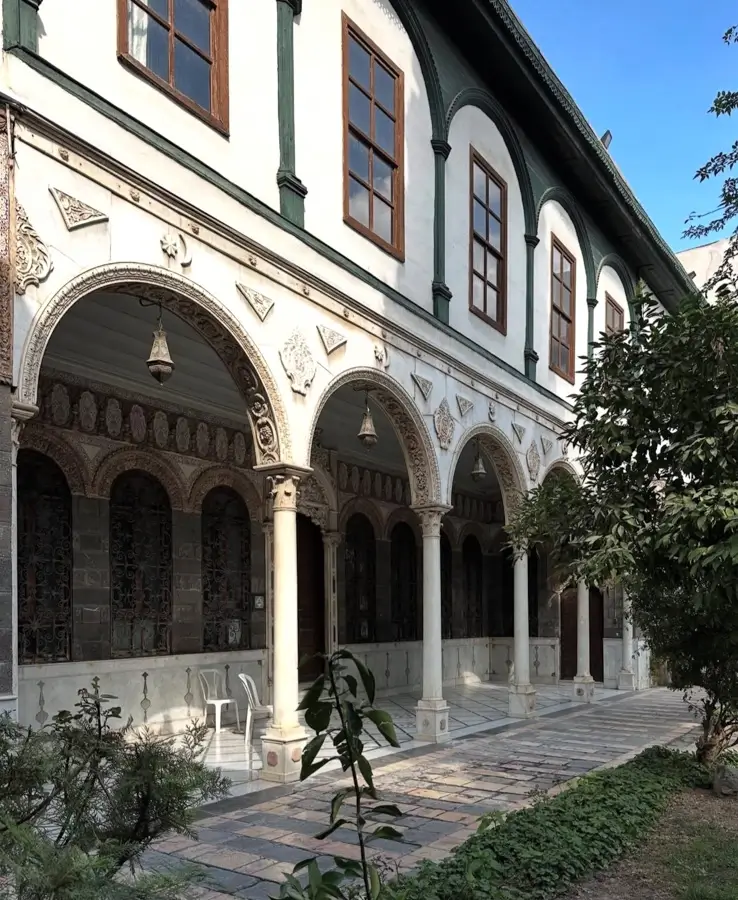
Post Syria's independence, Maktab Anbar continued to serve an educational role. They were also known to house the Institute of Preparatory and Women's Arts.
1976
The Ministry Steps In
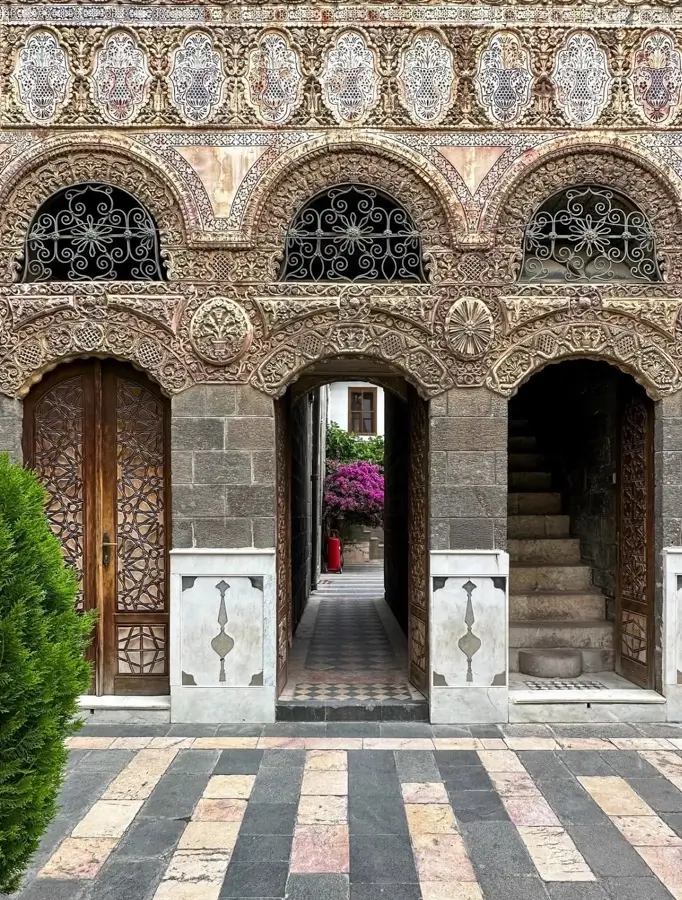
The Ministry of Culture purchased the property and began restoration. Their aim was to authentically restore the building's original 19th-century style.
1981
Reopening Its Doors
After the restoration was complete, the building was finally reopened. It was the Arab Cultural Palace, in cooperation with the Damascus Governorate.
2012
Citizen Services
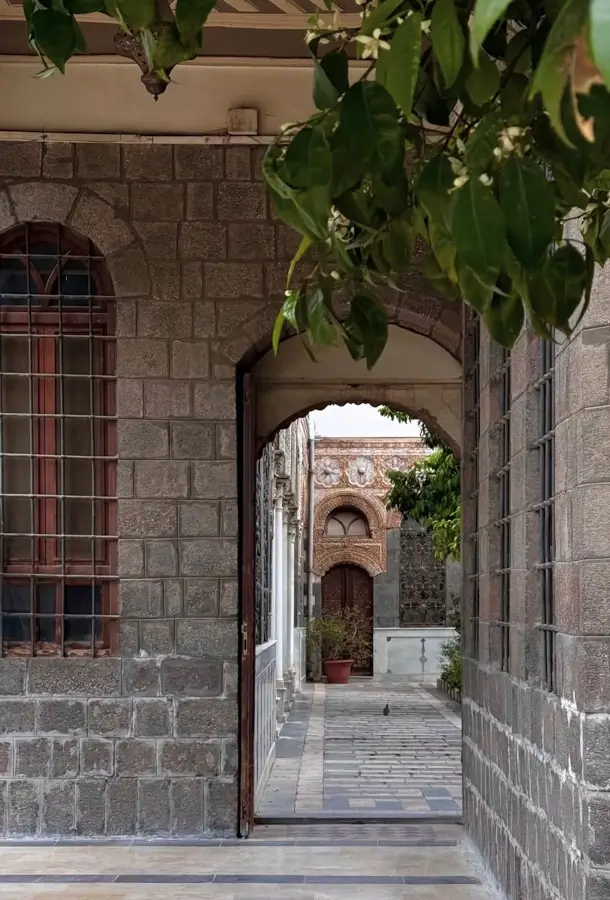
The Damascus Government converted part of the site into a Citizen Service Center. It provided the citizens living within Old Damascus with licensing, civil registry, and other municipal services.
TODAY
Heritage Lives On
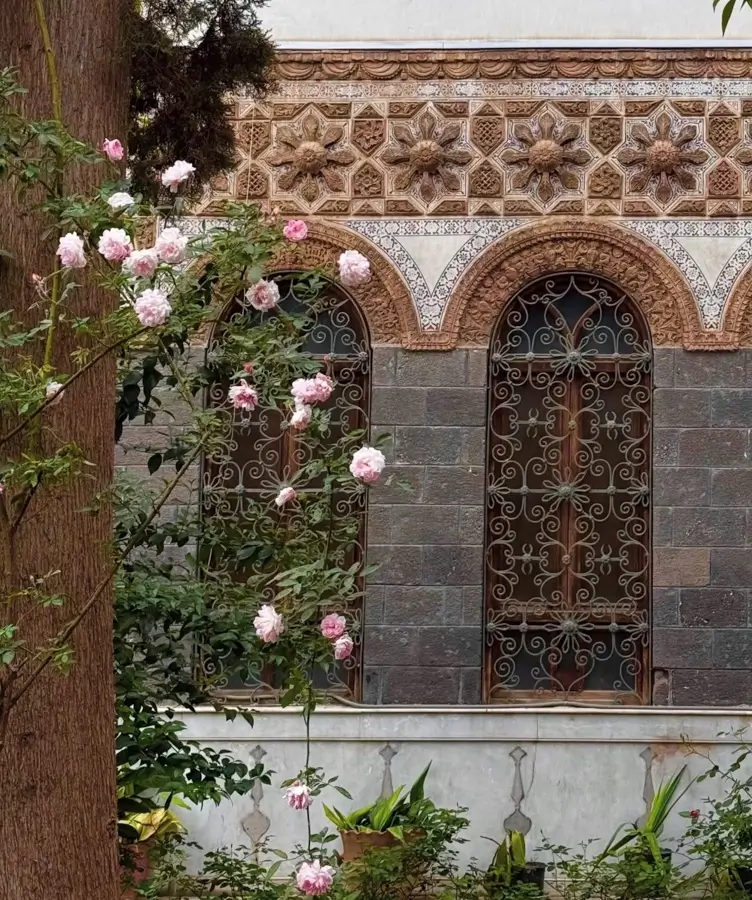
Maktab Anbar functions as a cultural center, hosting exhibitions and heritage events. It also serves as the headquarters of the Old Damascus Directorate. It's considered the second-largest historic house in Damascus after Al-Azem Palace.